

In the high-stakes world of gaming, competition is fierce, and the allure of gaining an edge over opponents has led millions of players to explore every avenue for an advantage. With esports tournaments offering prize pools exceeding $1.25 million, the pressure to succeed has never been greater. However, as players seek ways to boost their performance, an alarming trend has emerged: cybercriminals are exploiting this competitive drive by weaponizing game cheats to deliver malicious payloads.
The Dark Side of Free Game Cheats
While cheats can enhance a player’s experience by offering a competitive edge, the reality of downloading free cheats is much darker. The cybersecurity risks of these cheats extend far beyond detection bans in games like Fortnite, Apex Legends, and Counter-Strike 2. In fact, many seemingly harmless cheats often promoted on forums, YouTube channels, and file-sharing platforms—are actually laced with malware.
In a troubling rise in cybercrime, hackers are disguising information-stealing malware as legitimate game cheats. Players who download these “free” cheats to gain an advantage often unwittingly install remote access trojans, Discord token grabbers, and other forms of malicious software that silently harvest personal information in the background.
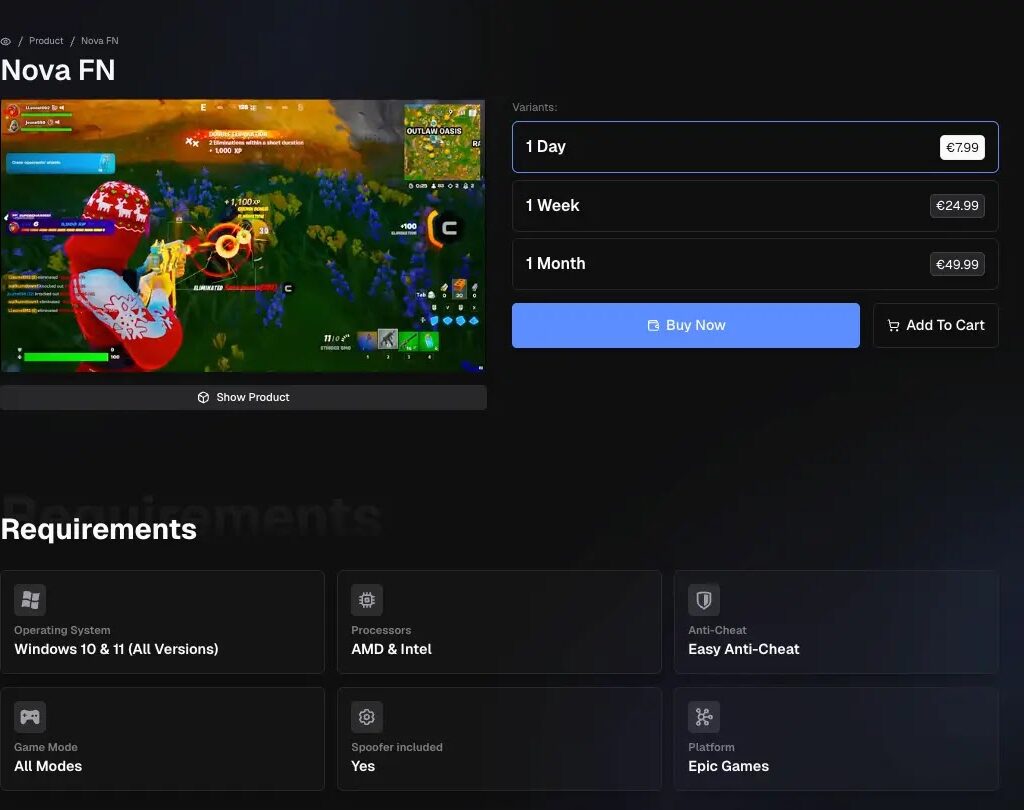
The Rise of Malware Campaigns Disguised as Cheats
Security experts, like analyst vxdb, have raised alarms over campaigns where infostealer malware is cleverly camouflaged as legitimate game cheats. What makes this particularly dangerous is that the cheats often function partially or fully, creating a false sense of security while malicious activity occurs unnoticed. These malware-laden cheats allow cybercriminals to collect sensitive data, such as browser credentials, authentication tokens, and cryptocurrency wallet information.
Even seemingly harmless games like Minecraft and Roblox aren’t immune to this threat. Whether it’s a game-changing Fortnite aimbot or a Roblox executor, the risk is significant for players who seek free cheats without considering the dangers lurking behind them.
The orchestration of these malware campaigns is no accident. They are often the work of Traffer Teams, organized criminal groups that recruit affiliates to distribute malware in exchange for monetary rewards or a cut of the stolen data. These teams operate with remarkable efficiency, utilizing social media platforms like YouTube and TikTok to spread their malicious content to unsuspecting players.
A common tactic is the use of video content on fake or stolen YouTube accounts, designed to draw players in with promises of game cheats or mods. These videos often link to file-sharing platforms like MediaFire or Mega.nz, but first, viewers are funneled through advertising services like Linkvertise, which act as a barrier to slow down and monetize the process.
In a recent investigation, security researcher Eric Parker uncovered a complex campaign orchestrated by a Traffer Team called LyTeam. This group was distributing Valorant skin changers and Roblox executors through a Google Sites page. The files, once downloaded, turned out to be Lumma Stealer malware, a notorious information-stealer designed to snatch browser credentials and cryptocurrency wallets.
How the Malware Works
The infection process is straightforward but highly effective. Once a player executes the malware—typically disguised as a cheat tool—the malware runs with user-level privileges, meaning it can access personal data without requiring special permissions. It then targets sensitive data repositories, including password managers, browser autofill data, and cryptocurrency wallets.
The malware doesn’t stop at stealing data. It installs persistence mechanisms that allow it to survive system reboots, ensuring continuous exfiltration of sensitive data to the cybercriminals’ servers. The modular nature of these malware families also means they can easily be adapted to deploy additional payloads or activate dormant features as needed, making them especially dangerous.
Why Free Cheats Are a Risky Gamble
For many players, the temptation of free cheats is hard to resist. The idea of gaining a competitive advantage without spending money seems like an appealing shortcut. However, the cost of downloading free cheats can be much higher than just a temporary ban from a game. The risks of having personal data stolen, or worse, falling victim to a remote access trojan, far outweigh any perceived benefit of using cheats.
The most common threats include:
- Malware that silently collects sensitive information such as login credentials, banking data, and cryptocurrency wallets.
- Some malware allows cybercriminals to gain complete control over the victim’s system, making it vulnerable to further exploitation.
- Discord token grabbers and other malware can lead to the hijacking of social media or gaming accounts, leaving players open to identity theft or financial loss.
So, what can players do to protect themselves from these hidden dangers? The best defense against these increasingly sophisticated cyber threats is awareness. Here are some crucial steps you can take:
- The safest option is to steer clear of cheats and mods, especially those offered for free. They almost always come with hidden risks.
- If you must download something, always scan the file using a tool like VirusTotal before executing it. This can help identify potential malware before it infects your system.
- Consider running untrusted downloads in a virtual machine or sandboxed environment. This isolates potential threats from your main system and reduces the risk of widespread infection.
- Ensure that your antivirus software is always up to date. Many modern antivirus programs can detect malware even in its early stages of execution.
- Regularly back up your important data, including gaming accounts, passwords, and cryptocurrency information, to reduce the impact of a potential breach.
The Cost of Competitive Gaming
The competitive gaming world has always been a high-pressure environment, and with the rise of esports, the stakes are higher than ever. However, players must recognize that the pursuit of an advantage through free game cheats comes with hidden risks that could lead to far more significant losses than any in-game advantage. By staying informed and cautious, gamers can protect their personal information and continue enjoying their favorite games without falling victim to cybercriminals looking to exploit their desire for victory.